
750W Fat Bike: What Is All That Power Really For?
A 750W fat bike has three times the rated power of a standard-compliant e-bike. But what is that power actually for? In practice, it means stronger acceleration, easier climbing on steep hills and more confident handling on sand or loose ground. It doesn't automatically give you the right to ride faster on the road: the vehicle's legal classification decides that, as explained in our guide to 45 km/h electric fat bikes and the law in France.
In this article
Published 25 November 2026, updated 25 November 2026, by Julien Ferrand.
How we wrote this guide
This guide draws on the product sheets and guidance published by fatbike-factory and the official sources cited in the article. It was written by Julien Ferrand. Julien has been riding electric fat bikes for several years, both in town and on coastal trails, and prepares bikes for shipping at Fatbike Factory. Every week he advises customers on choosing a model, batteries and e-bike regulations.
What does a 750W motor change compared with a 250W one?
Motor power describes the ability to do work, not speed. Above all, a 750W motor gives you more available torque: the bike pulls away harder, holds its speed better on climbs and copes better with the extra weight of a passenger or luggage. A well-designed 250W e-bike is still very pleasant around town, but on a long hill with 100 kg on board, you'll feel the difference.
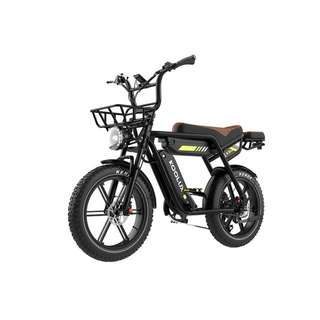
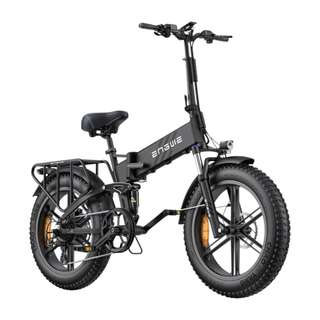
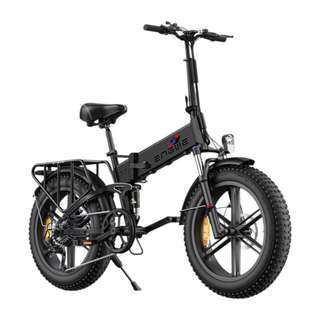
Manufacturers also quote top speeds. On the Koolux X9 Pro, the 750W motor comes with a claimed top speed of 45–50 km/h. These figures are measured under favourable conditions and do not mean you are allowed to ride at that speed on public roads.
750W fat bike: when does it make sense?
Here are the situations where our customers genuinely make the most of that power.
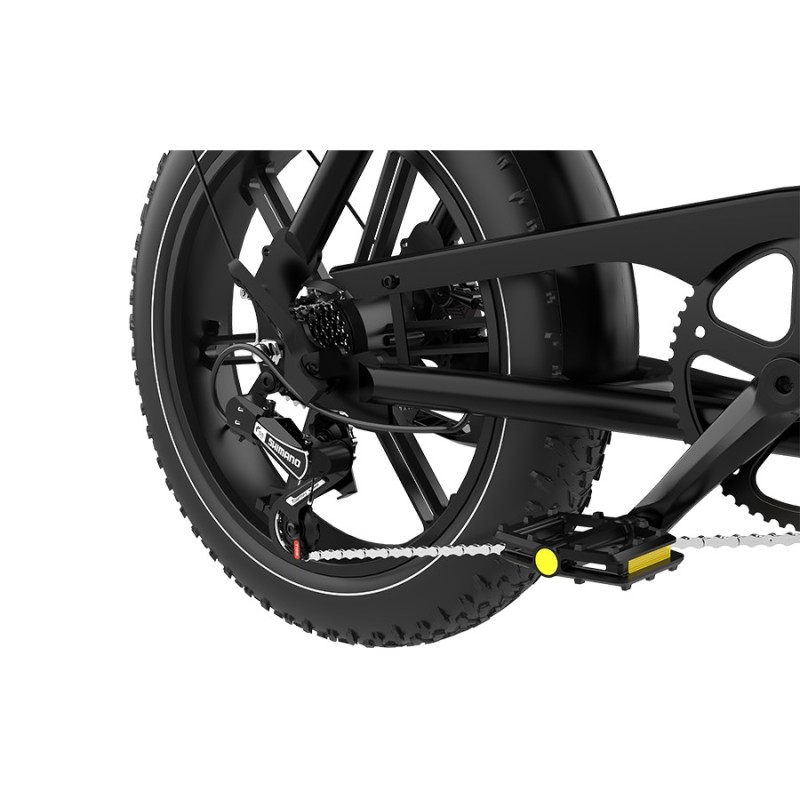
- Rough private land: estates, large properties and leisure grounds, where steep climbs and soft ground are part of everyday riding.
- Luggage or a passenger: the X9 Pro takes a maximum load of up to 120 kg, with a long two-person-style seat.
- Sand and snow: 4-inch-wide tyres and a motor that doesn't run out of puff help you keep your momentum.
- Long rides: the dual 48V 15.6Ah ×2 battery gives a claimed range of up to 120 km, depending on conditions.
For town and road riding, most of our customers opt for a compliant model from our road-legal 250W fat bike range.
Does more power drain the battery faster?
Not necessarily: it's how you ride that uses up the battery. A powerful motor pushed flat out will drain it quickly; the same motor used moderately can last a long time. The X9 Pro makes up for it with two batteries, giving a total capacity of 31.2Ah, which explains the claimed 120 km range. Real-world range varies with your weight, assistance level, terrain, temperature and surface type, as stated on the product page.
A good habit: start on a medium assistance level and save the highest setting for demanding sections. It's the best way to make use of the extra power without draining the cells.
How to choose between 250W, 500W and 750W
Think about how you'll use it rather than the number on the spec sheet. For reference, our Koolux X9 Mini has a 500W motor with a claimed speed of 32 km/h, a 48V 13Ah battery and up to 50 km of range. At 34.7 kg, it's a compact model that's ideal for leisure rides. At the other end of the scale, the 46.5 kg X9 Pro is built for long rides and demanding terrain.
| Model | Motor | Battery | Net weight | Max load |
|---|---|---|---|---|
| Koolux X9 Mini | 500W | 48V 13Ah | 34.7 kg | 120 kg |
| Koolux X9 Pro | 750W | 48V 15.6Ah ×2 | 46.5 kg | 120 kg |
If you're unsure, remember this: the more powerful the bike, the heavier it is, and the more brake and tyre maintenance matters. Wear a helmet, gloves and protective gear.
What does the law say about a 750W fat bike?
A 750W motor exceeds the EU limit for a pedal-assist e-bike, which is set at 250W continuous rated power. In France, the vehicle therefore falls into a different category with its own rules: type approval, registration and insurance if it is intended for road use. The practical requirements in France are covered in our article on insurance, number plates and licences for fast fat bikes. Official information (in French) is available on Service Public. Rules differ from country to country, so check your local regulations.
Key takeaway: this information is general and is no substitute for advice from a professional or your insurer. Check with them before buying a model in this category.
— Julien Ferrand
Frequently asked questions
What is a 750W motor for on a fat bike?
It provides torque: stronger acceleration, easier climbing and better handling with a load. It doesn't make the bike legally faster. The vehicle's legal classification is still what counts on the road.
Is a 750W fat bike a legal e-bike?
It exceeds the 250W limit for a compliant e-bike, so it falls into a different category with its own rules. Check its classification on the product page before you buy.
What range can I expect from a 750W fat bike?
Range depends mainly on the battery, not the motor. The Koolux X9 Pro claims up to 120 km with two batteries. In practice, your weight, the terrain and the assistance level all affect it.
Do I need a specific helmet for a 750W model?
For off-road use away from public roads, a sturdy helmet and gloves are strongly recommended. In France, a registered vehicle ridden on the road requires an approved helmet. Check the exact standard that applies where you live before buying.
What rider weight can a 750W fat bike take?
The Koolux X9 Pro has a maximum load of 120 kg. This figure includes the rider and any luggage. Don't exceed it, especially when riding downhill.
Our pick: Powerful 750W+ Electric Fat Bikes
Browse all our models in the Powerful 750W+ Electric Fat Bikes collection.
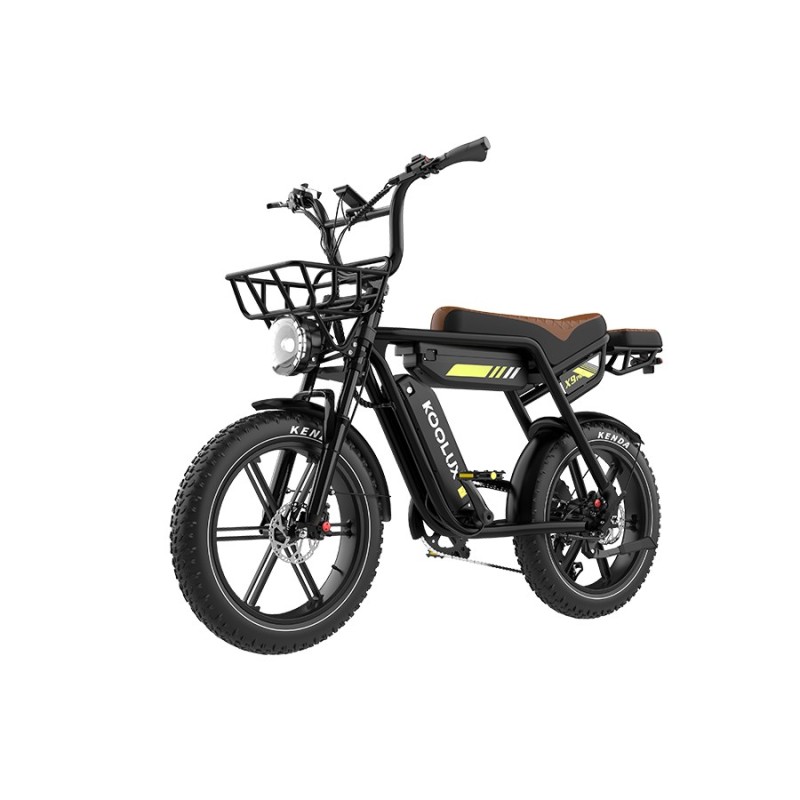 Koolux X9 Pro 750W Two-Seater Moped-Style Electric Fat Bike with Dual Battery |