Derestricting an Electric Fat Bike: Risks and Penalties
Wondering how to derestrict an electric fat bike so it goes faster than 25 km/h? We'd rather give you a straight answer: we won't explain how to do it, and here's why. Derestricting an e-bike takes it outside the legal definition of a bicycle, in practice cancels your insurance cover and wears out the components faster. This article explains those risks, then looks at solutions that give you what you're after without putting your budget or your safety at risk.
In this article
Published 25 November 2026, updated 25 November 2026, by Julien Ferrand.
How we wrote this guide
This guide draws on the product sheets and guidance published by fatbike-factory and the official sources cited in the article. It was written by Julien Ferrand. Julien has been riding electric fat bikes for several years, both in town and on coastal trails, and prepares bikes for shipping at Fatbike Factory. Every week he advises customers on choosing a model, batteries and e-bike regulations.
What does derestricting an electric fat bike mean?
Derestricting means changing the settings of the controller, display or speed sensor so that the motor assistance no longer cuts out at 25 km/h. On a compliant e-bike, that limit is the very condition for it to count as a bicycle. In France, the French government's Service Public page on registering an electric bike points out that above 250 W and 25 km/h, the vehicle moves into a different category. So under French rules, a derestricted bike is no longer a bicycle: it's an unapproved motor vehicle.
Everything follows from that. The law doesn't look at what you intended to do; it looks at what your machine is capable of. For a closer look at how the categories are defined, our guide to the 45 km/h electric fat bike and what French law says sets out the full framework.
What are the real risks of derestricting?
There are four kinds, and any one of them could be enough to make you regret it.
- Legal risk. In France, a machine with assistance above 25 km/h must be type-approved, registered and insured as a moped. A derestricted bike meets none of these conditions, so if you're stopped by the police, you're not riding legally.
- Insurance risk. After an accident, an insurer can refuse cover on the grounds that the bike was modified. If a third party is injured, the financial consequences can be severe and fall on you personally.
- Mechanical risk. The frame, fork, brakes and tyres are designed for a given speed. The faster you go, the longer your braking distance, especially on a heavy fat bike.
- Battery risk. A motor run at high output for longer gets hotter and draws more from the battery, which cuts the range and can damage the controller.
Then there's the manufacturer's warranty: changes to the factory settings are generally excluded. So you also lose cover if something breaks down.
Braking: the first problem on a fast fat bike
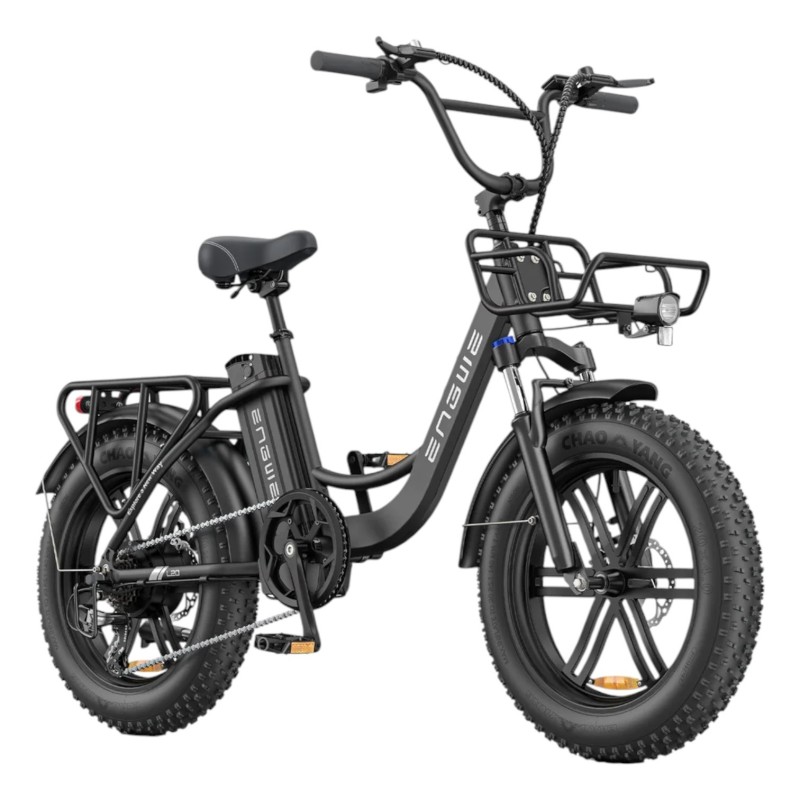
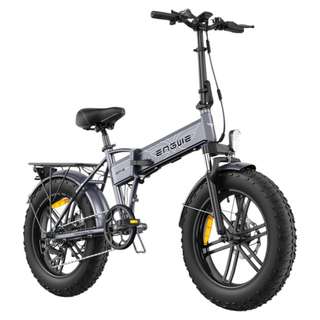
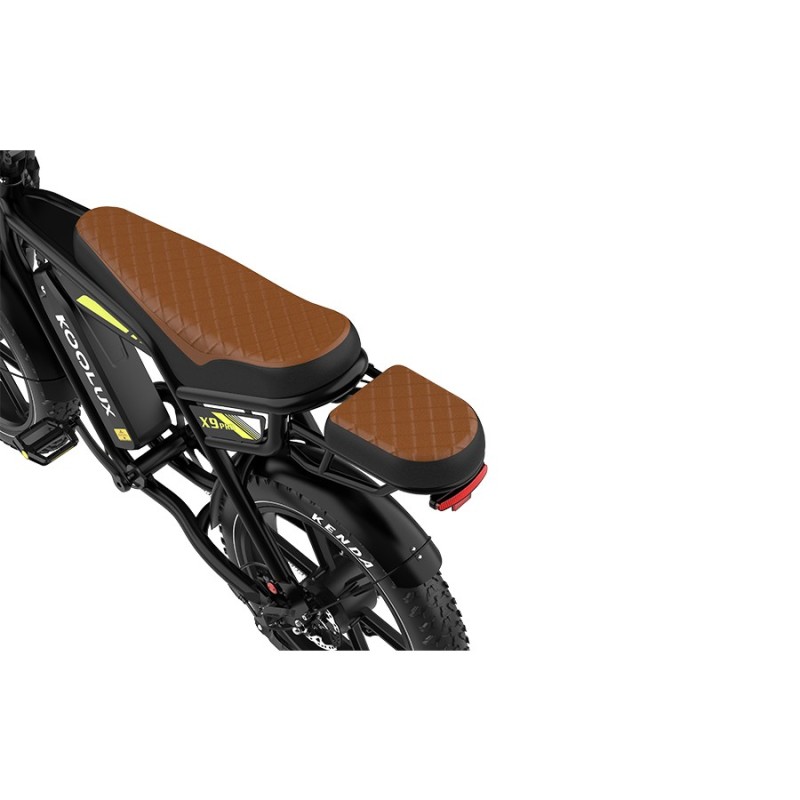
A fat bike is heavy, and its big tyres add inertia. For example, the Koolux X9 Pro weighs 46.5 kg unladen and takes a maximum load of 120 kg: a machine of that size is designed with hydraulic brakes for its stated speed. A more modest bike with mechanical disc brakes was never built to handle extra speed. Adding speed without upgrading the brakes is exactly what turns a minor incident into a crash.
How to get what you want without derestricting
Behind a request to derestrict, there's almost always a genuine need: better acceleration, more fun, less frustration on climbs. Here's the step-by-step approach we recommend to our customers.
- Write down what you're really missing: cruising speed, pull-away at traffic lights, power on hills or range.
- Check the legal status of the model you're considering on its product page: rated power, assistance cut-off speed, and whether it's for road use or off-road only.
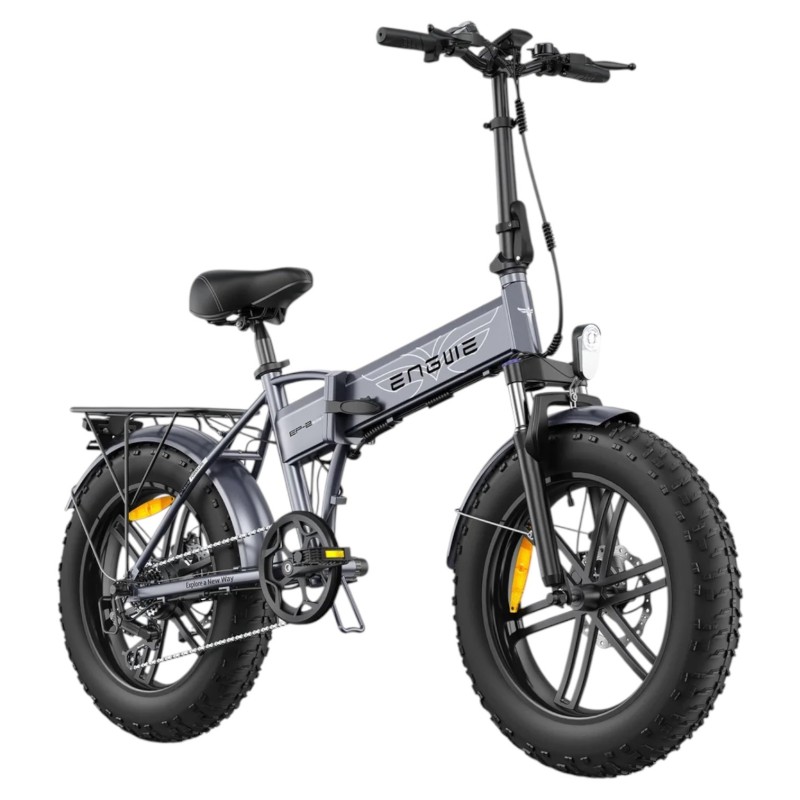
- For the road, choose a compliant model with high torque and a large battery, for example from our road-legal 250 W fat bike range.
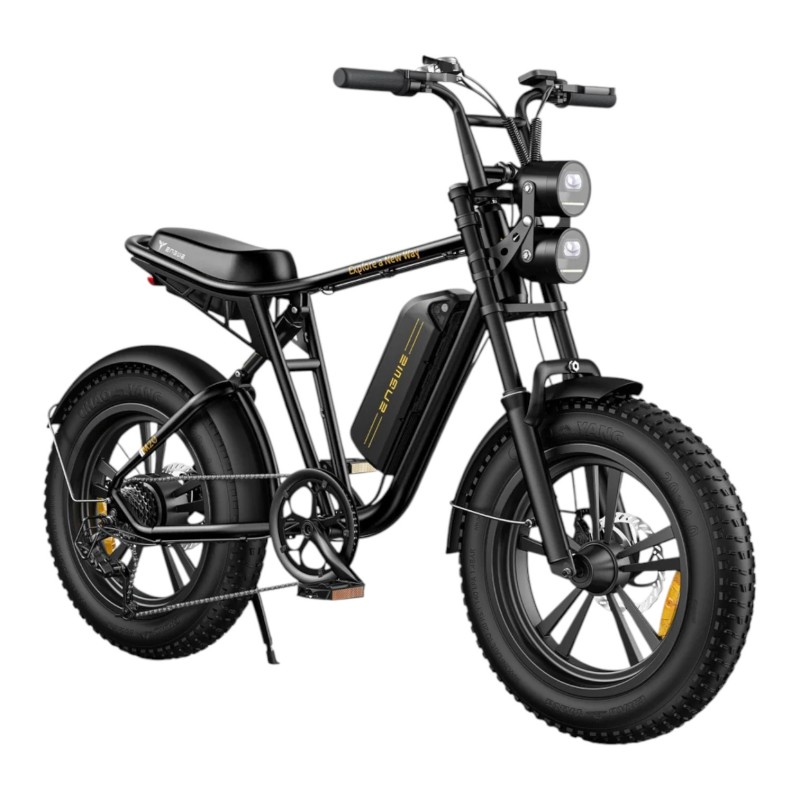
- For riding on private land, go for a model designed for it, such as those in our electric motorbike-style bike category, and stick to their intended use.
- Round it off with the right gear: helmet, gloves and tyres suited to your terrain.
This approach saves you paying twice: once for the bike, and again for the consequences of modifying it. In our experience, customers who start by working out where they'll be riding almost always end up happy with a compliant model.
What if your bike has already been derestricted?
If you've bought a second-hand bike whose settings have been changed, don't ride it on public roads. Restore it to its factory settings, or have it checked by a professional who can tell you what was modified and whether any components have suffered. Keep every invoice: it will come in handy if you sell the bike on.
Key takeaway: this article is general information based on the rules in France and is no substitute for advice from a legal professional or your insurer. Rules differ between countries, so check your local regulations. Speak to your insurer before making any changes to your bike, and refer to the official regulations in force.
— Julien Ferrand
Frequently asked questions
Is it legal to derestrict an e-bike?
In France, no, if the assistance goes above 25 km/h on a machine sold as a bicycle. It then becomes an unapproved motor vehicle and can't be ridden on public roads. Rules differ between countries, so check your local regulations.
Will my insurance cover me if my bike is derestricted?
Not reliably: the insurer can refuse cover on the grounds that the bike was modified. The consequences after an accident can be severe. Ask your insurer in writing before you ride.
Does derestricting void the warranty?
In most cases, yes. Changed settings take the bike outside its original specification. Reread the manufacturer's warranty terms.
How can I tell if a bike has already been derestricted?
A bike whose assistance carries on well beyond 25 km/h is suspect. So is a display whose settings have been changed. Have it checked by a professional before buying second-hand.
What's the legal alternative for going faster?
A model designed for it, with the matching type approval. In France, it requires registration, insurance and the right safety gear. Otherwise, stick with a compliant e-bike and choose it for its torque and battery.