
Best Two-Seater Fat Bike: 6 Key Criteria for Choosing the Right One
No single fat bike is the best two-seater for everyone. The best one is the bike whose payload, seat and brakes suit your route and the size of both riders. Our range includes three long-seat models for riding two-up, and each one meets different needs. Here is how to choose between them using six criteria we always check on the spec sheets.
For the bigger picture (what makes a genuine two-seater and how to choose step by step), start with our guide two-seater fat bike: which electric fat bike for riding two-up. This article goes further into the comparison: which model suits which rider, and why.
In this article
- Which is the best two-seater fat bike for how you ride?
- Criterion 1: payload, with a safety margin
- Criterion 2: the passenger's seat and footrests
- Criterion 3: motor and torque
- Criterion 4: battery, two-up range and compliance
- Criterion 5: brakes
- Criterion 6: check it's legal before you fall for it
- FAQs about the best two-seater fat bike
Published 23 November 2026, updated 23 November 2026, by Julien Ferrand.
How we wrote this guide
This guide draws on the product sheets and guidance published by fatbike-factory and the official sources cited in the article. It was written by Julien Ferrand. Julien has been riding electric fat bikes for several years, both in town and on coastal trails, and prepares bikes for shipping at Fatbike Factory. Every week he advises customers on choosing a model, batteries and e-bike regulations.
Which is the best two-seater fat bike for how you ride?
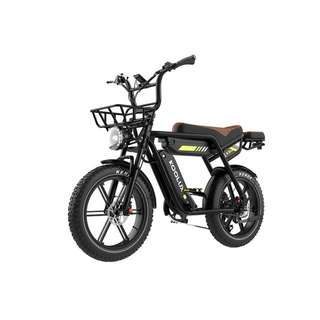
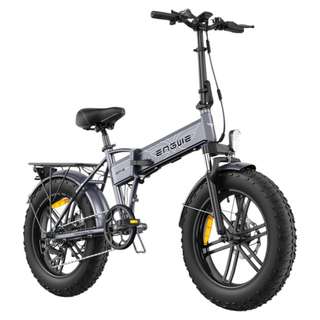
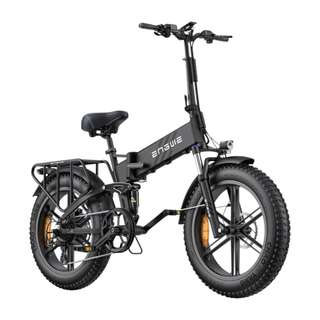
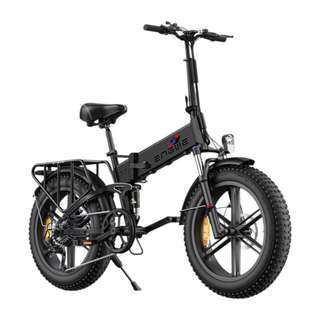
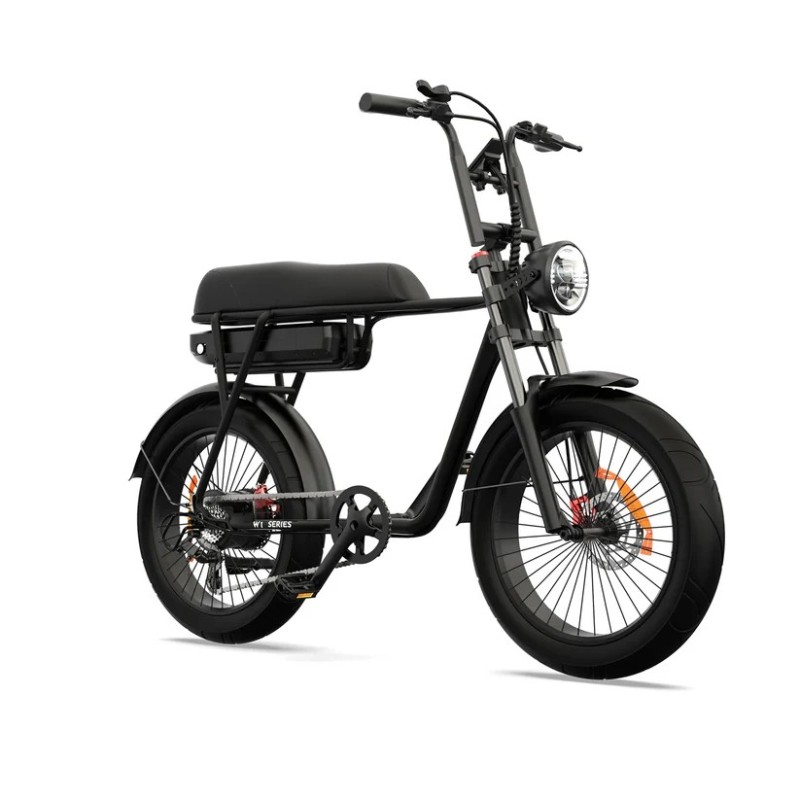
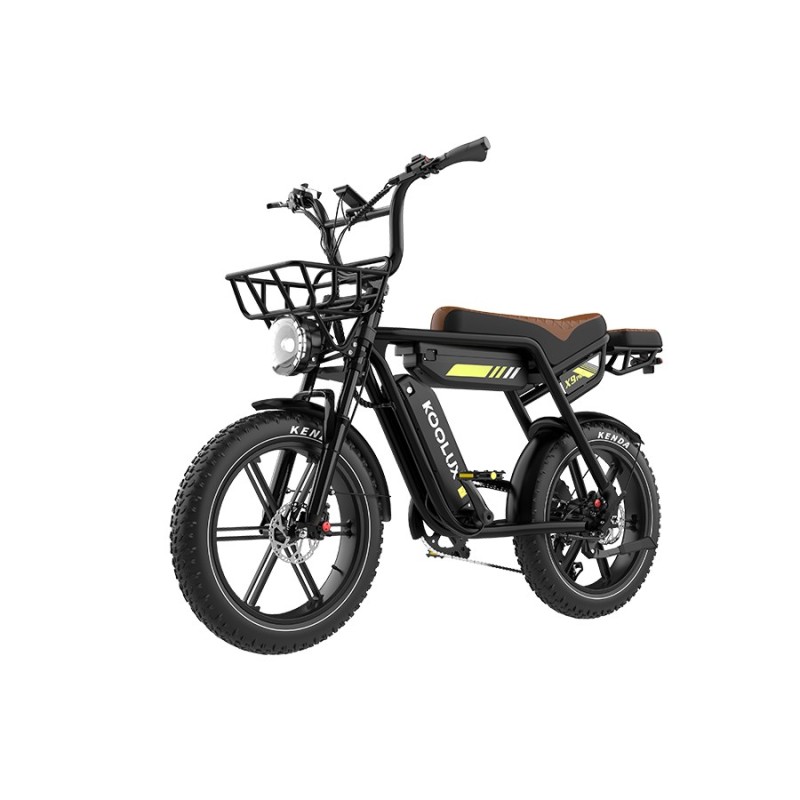
It depends first on where you'll ride. On public roads, the Pinscher W1 Series makes the most sense, with a dual seat, a 250 W motor with a torque sensor, and hydraulic brakes. For private land or a light passenger, the Koolux X9 Pro gives you more power and two batteries. The Engwe M20 is an excellent motorbike-style fat bike, but it's better suited to riding solo.
| Your situation | Model to look at first | Why |
|---|---|---|
| Two adults, on roads and trails | Pinscher W1 Series | Dual seat, compliant 250 W motor, 48 V 18.2 Ah battery, hydraulic brakes |
| One adult and a light passenger, private land | Koolux X9 Pro | 750 W, two 48 V 15.6 Ah batteries, hydraulic brakes, 120 kg maximum load |
| Mostly solo, sometimes with a child | Engwe M20 | 250 W, 55 Nm, motorbike look, 120 kg payload, mechanical disc brakes |
Criterion 1: payload, with a safety margin
Payload is the total weight the manufacturer allows for the rider, the passenger and any luggage. Add up the real weights, rucksack included, then add a margin on top. A bike that is always ridden at its limit wears out faster, and the spokes, bearings and brake pads are the first to suffer.
Two of our models are rated at 120 kg. That's comfortable for an adult and a light child, but not for two adults. Our article on the maximum weight limit of an electric fat bike explains how to read this figure across different brands.
Criterion 2: the passenger's seat and footrests
A long saddle alone doesn't make a bike a two-seater. Look for a one-piece seat padded along its whole length, footrests for the passenger and something to hold on to. Without footrests, the passenger's feet dangle near the spokes and chain, which is uncomfortable and dangerous.
On the Pinscher W1, the seat is listed as a waterproof "dual" seat, so it is genuinely made for two. Passenger comfort is covered in detail in our article on the two-seater electric fat bike: seat, payload and passenger comfort.
Criterion 3: motor and torque
Under EU rules, an e-bike ridden on public roads is limited to 250 W rated power, with assistance that cuts out at 25 km/h (about 15.5 mph) and only works while you pedal. When riding two-up, torque matters more than peak power, because torque is what makes loaded starts and hills manageable.
- a torque sensor (Pinscher W1) gives smoother, more predictable assistance when pulling away;
- a stated torque of 55 Nm (Engwe M20) is a useful benchmark when comparing two spec sheets;
- above 250 W and 25 km/h (the Koolux X9 Pro is rated at 45–50 km/h, about 28–31 mph), a bike no longer counts as an e-bike.
Criterion 4: battery, two-up range and compliance
Advertised ranges are measured in favourable conditions, often with one rider and the lowest assist level. Two-up, the motor works harder every time you pull away, so expect much less than the spec-sheet figure. A big battery is a real advantage: the Pinscher W1 has a 48 V 18.2 Ah battery rated at up to 110 km (about 68 miles), and the Koolux X9 Pro has two batteries rated at 120 km (about 75 miles).
Our guide to electric fat bike range in kilometres will help you estimate yours.
Criterion 5: brakes
Two people on one bike means a longer stopping distance. We recommend hydraulic disc brakes, which need less force at the lever, brake more progressively and are less tiring on descents. The Engwe M20's 160 mm mechanical discs are fine for solo riding, but with two on board they call for more anticipation and more frequent adjustment.
Criterion 6: check it's legal before you fall for it
In France, a non-compliant model cannot be used as a bicycle on public roads, and neither can it carry a passenger as one. French rules separate compliant e-bikes from more powerful machines, which fall under different regulations (type approval, insurance, equipment). We cover this in detail in our article two-seater electric fat bike: can you legally ride two-up?. Compliant models are grouped in our approved 250 W fat bike category.
In France, the rules on carrying a passenger are set out by the Sécurité routière (the French road safety authority). Rules differ between countries, so check your local regulations. This article does not replace advice from your insurer or a legal adviser on your specific situation.
FAQs about the best two-seater fat bike
What is the best two-seater fat bike for road riding?
Of our models, it's the Pinscher W1 Series. It stays within the EU e-bike limits, with 250 W and assistance that cuts out at 25 km/h. Its dual seat, torque sensor and hydraulic brakes make it the best fit for riding two-up.
What maximum load do you need for two adults?
Aim for a payload of at least 150 kg. Two adults of average build can easily go over 140 kg with a rucksack, so a model limited to 120 kg is too tight for two adults.
Can a 750 W fat bike be used as a two-seater bicycle on the road?
No, not as a bicycle. In France, anything above 250 W and 25 km/h no longer counts as an e-bike and falls under different regulations. Keep it for private land unless it has the right type approval. Rules differ between countries, so check your local regulations.
Does the advertised range apply when riding two-up?
No, it doesn't. It is measured in favourable conditions, often with one rider and the lowest assist level. With two on board, expect much less, especially at a high assist level.
Which brakes should you choose for a two-seater fat bike?
Go for hydraulic disc brakes. They need less force at the lever and brake more progressively. They also heat up more slowly on descents when the bike is carrying two people.